Percutaneous Discectomy for Back or Neck Pain
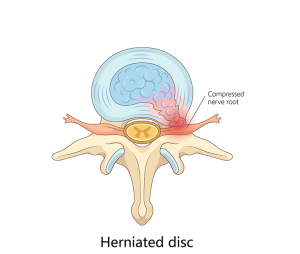
Percutaneous discectomy is a minimally invasive procedure to remove a portion of a herniated disc that compresses nearby nerves. Using a needle or small cannula and specialized instruments, surgeons extract or shrink disc material without the need for large incisions or open surgery. This technique can relieve nerve irritation and reduce pain with minimal tissue disruption.
Advantages of NextGen Spine’s Minimally Invasive Spine Surgery
At NextGen Spine Center, we perform percutaneous discectomy using a minimally invasive technique designed to relieve pressure on irritated or compressed nerves while minimizing disruption to the surrounding tissues. Through a small skin puncture or tiny incision, specialized instruments are used to remove the portion of the damaged disc causing symptoms, preserving the nearby muscles and ligaments whenever possible.
Because the procedure requires far less tissue disruption than traditional open surgery, patients typically experience less postoperative pain, smaller scars, and a faster recovery. The procedure is performed on an outpatient basis, allowing most patients to return home the same day. This minimally invasive approach also helps reduce the risk of infection and other complications while providing effective relief from disc-related nerve compression.
Conditions That Could Cause These Issues
- Lumbar disc herniation.
- Cervical disc herniation.
- Small contained disc protrusions causing nerve compression.
Explanation of Percutaneous Discectomy
During a percutaneous discectomy:
- The patient lies comfortably under local anesthesia and sedation.
- A small needle or cannula is inserted into the affected disc using fluoroscopic (X-ray) guidance.
- Specialized instruments (such as a probe or suction device) remove or shrink the disc material.
- The decompression reduces pressure on the nerve root.
- The small incision or puncture is closed with a simple dressing.
- Patients return home the same day.
Common Symptoms That Can Be Relieved
- Radiating leg pain (sciatica) or arm pain.
- Numbness or tingling in the extremities.
- Localized back or neck pain.
- Weakness in the arms or legs.
- Pain that worsens with sitting, bending, or lifting.