What is Cervical Radiculopathy?
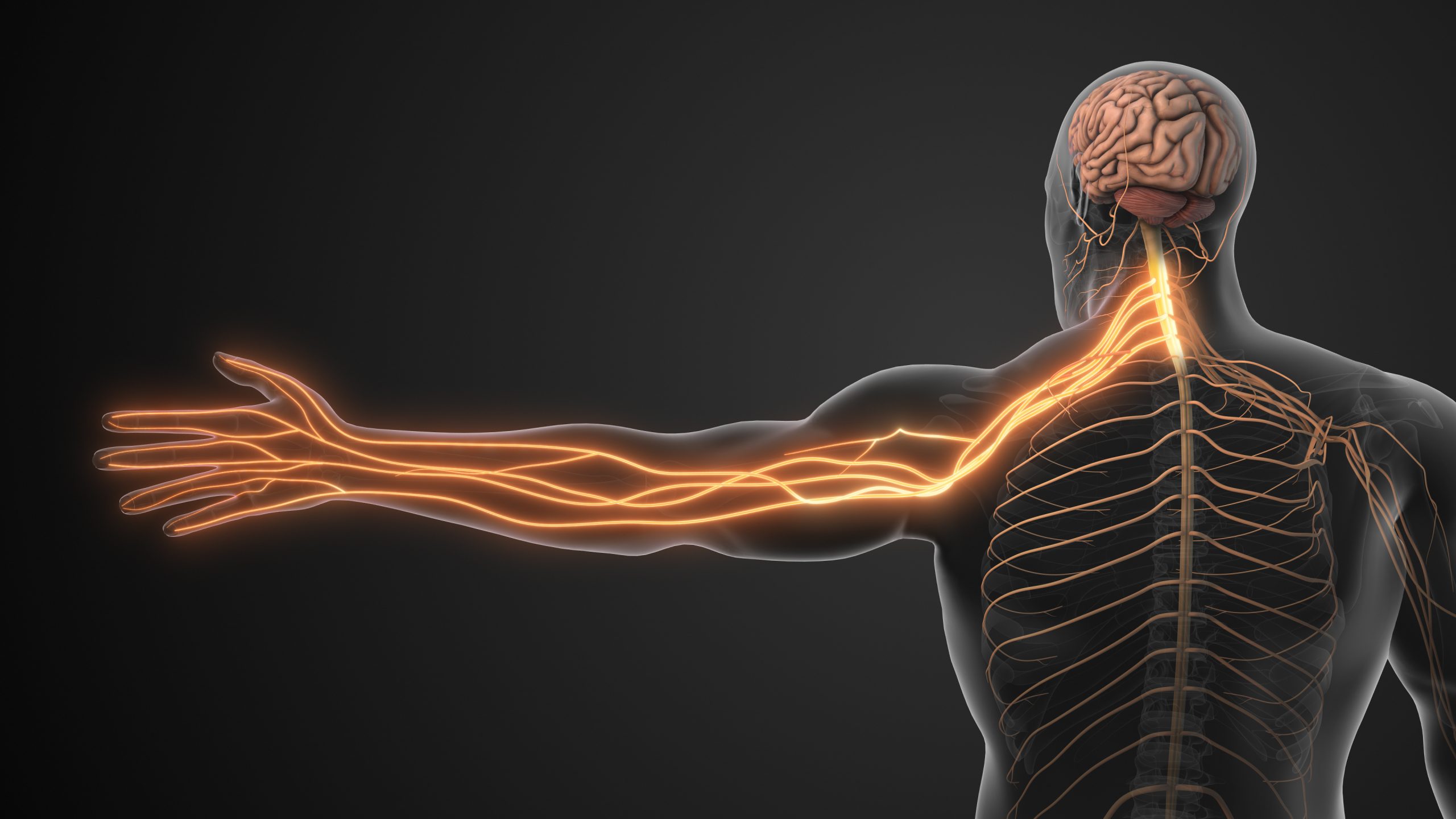
Cervical radiculopathy occurs when a nerve in the neck becomes compressed or irritated where it branches away from the spinal cord. This can cause pain, numbness, or weakness radiating into the shoulder, arm, or hand. It is often caused by degenerative changes in the spine, such as herniated discs or bone spurs.
Cervical radiculopathy is typically categorized based on the specific nerve root affected (e.g., C5, C6, C7, C8). Each type corresponds to different areas of pain and weakness depending on the nerve’s function.
How Cervical radiculopathy differs from other conditions
• Myelopathy: A spinal cord condition causing widespread neurological issues, while radiculopathy is limited to nerve root involvement.
• Spondylolysis: A defect or stress fracture in the vertebral arch, which may lead to radiculopathy but is structurally different.
Causes
– Herniated cervical disc
– Cervical spinal stenosis
– Degenerative disc disease
– Trauma or injury
– Bone spurs (osteophytes)
Symptoms
– Neck pain
– Radiating arm pain
– Numbness or tingling in the fingers
– Muscle weakness in the shoulder, arm, or hand
– Decreased reflexes
Managing Symptoms
Initial management includes rest, avoiding aggravating activities, physical therapy, and over-the-counter pain medications. Applying heat or ice and maintaining good posture may also help alleviate symptoms. While it is possible that with time and conservative treatment that these symptoms could improve and/or go away, if the symptoms worsen or can no longer be managed, it is important to talk to your doctor in order to treat Cervical Radiculopathy.
Prevention
Preventive measures include maintaining good posture, using ergonomic workstations, avoiding repetitive neck movements, staying active, and practicing neck and upper back strengthening exercises. It is also important to avoid Tobacco, maintain a healthy weight, sleep with proper neck support, and when lifting heavy objects, using proper techniques to avoid straining your neck and/or back.
When to See a Doctor
Seek medical attention if you experience:
– Persistent neck or arm pain
– Progressive weakness
-Symptoms worsen dramatically
– Difficulty with fine motor skills
– Loss of bladder or bowel control (seek emergency care)
Conservative Treatment
Non-surgical options include:
– Physical therapy
– Anti-inflammatory medications
– Epidural steroid injections
– Cervical traction
– Lifestyle and ergonomic modifications
Surgical Treatment
Surgery may be necessary if conservative treatments fail or if there is severe nerve compression. Options include:
– Cervical discectomy
– Laminectomy/ Partial Laminectomy
– Posterior cervical foraminotomy
Why We Recommend Regenaplasty
Cervical radiculopathy is often the downstream result of the same degenerative cascade seen throughout the spine: as a disc in the neck loses height, the space available for the nerve root narrows, and the facet joints settle closer together, prompting the bone spurs that further crowd the nerve. A standard discectomy, laminectomy, or foraminotomy relieves that compression, but doesn’t slow the degenerative process driving it — which is why the same segment, or an adjacent one, often continues to narrow over time. Regenaplasty pairs that same minimally invasive decompression with regenerative biologics delivered directly to the disc and surrounding joint structures, intended to support the body’s natural healing response rather than only relieving the immediate pressure. Learn more about Spinal Regenaplasty.
At Nextgen Spine Center, we specialize in minimally invasive surgical techniques that result in shorter recovery times and less postoperative pain. If you would like to know more, Click here.
Frequently Asked Questions
Or contact us at any time
: Depending on the severity of the condition, it may go away on it’s own or through conservative treatment, however if the pain isn’t resolved with conservative treatment then surgery may be necessary.
No. Surgery is the last resort, for when all other conservative treatments have been tried. We also recommend waiting 3 months since the symptoms appear before considering surgery.
Our team offers expert diagnosis and comprehensive treatment plans customized to help treat you. These include truly minimally invasive procedures, designed with helping our patients return to a pain-free life.