What is Lower Back Pain?
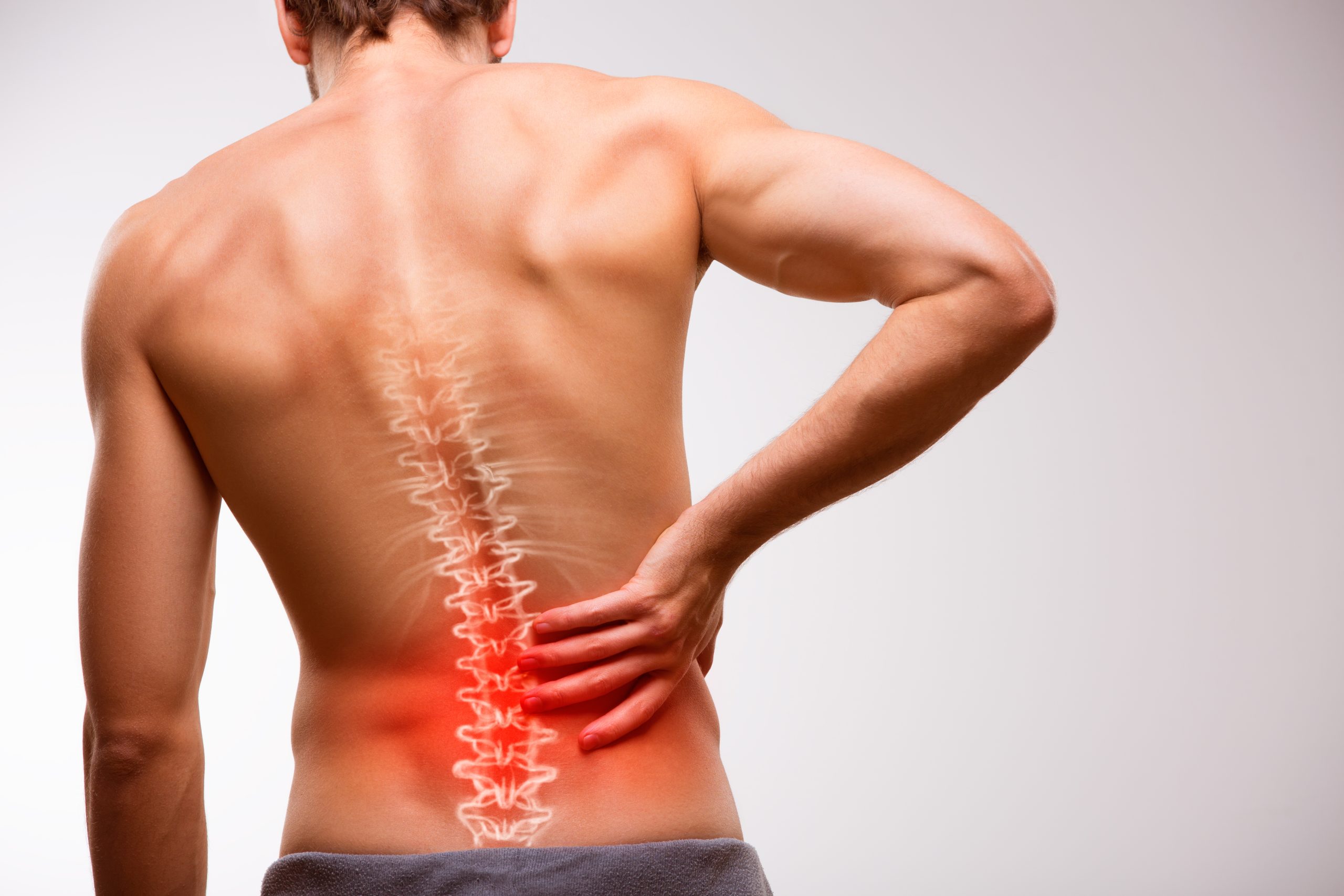
Low back pain is one of the most common medical complaints, affecting people of all ages and lifestyles. It can range from a dull, constant ache to a sudden, sharp pain that makes movement difficult. Low back pain may result from muscle strain, degenerative changes, or spinal abnormalities and can significantly interfere with daily activities and quality of life.
Types of Lower Back Pain
– Acute Low Back Pain: Pain lasting less than 6 weeks, often due to injury or overuse.
– Subacute Low Back Pain: Lasts between 6 to 12 weeks.
– Chronic Low Back Pain: Persists for more than 12 weeks, often related to underlying conditions.
– Mechanical Back Pain: Due to strain on the spine’s structures, including muscles and ligaments.
– Radicular Pain: Caused by nerve compression, commonly known as sciatica.
Causes
Common causes of low back pain include:
– Muscle or ligament strain
– Herniated or bulging discs
– Degenerative disc disease
– Spinal stenosis
– Spondylolisthesis
– Arthritis or osteoporosis
– Poor posture or prolonged sitting
– Trauma or accidents
Symptoms
Symptoms may include:
– Dull, aching pain in the lower back
– Sharp or shooting pain radiating down the leg
– Stiffness and reduced mobility
– Muscle spasms
– Pain that worsens with bending, lifting, or standing
– Numbness or tingling in the legs or feet if nerves are involved
Managing Symptoms
Initial management includes rest, avoiding aggravating activities, physical therapy, and over-the-counter pain medications. Applying heat or ice and maintaining good posture may also help alleviate symptoms. While it is possible that with time and conservative treatment that these symptoms could improve and/or go away, if the symptoms worsen or can no longer be managed, it is important to talk to your doctor in order to treat Cervical Radiculopathy.
Prevention
Preventive measures include maintaining good posture, using ergonomic workstations, avoiding repetitive neck movements, staying active, and practicing neck and upper back strengthening exercises. It is also important to avoid Tobacco, maintain a healthy weight, sleep with proper neck support, and when lifting heavy objects, using proper techniques to avoid straining your neck and/or back.
When to See a Doctor
Seek medical attention if you experience:
– Persistent neck or arm pain
– Progressive weakness
-Symptoms worsen dramatically
– Difficulty with fine motor skills
– Loss of bladder or bowel control (seek emergency care)
Diagnosis
Diagnosis typically involves:
– Review of symptoms and medical history
– Physical and neurological examination
– X-rays to assess bone alignment and arthritis
– MRI or CT scan to identify disc or nerve problems
– Blood tests to rule out infections or inflammatory conditions
– Electromyography (EMG) for nerve function evaluation
Conservative Treatment
Non-surgical options include:
– Rest and activity modification
– NSAIDs or acetaminophen for pain relief
– Physical therapy to strengthen core muscles
– Chiropractic care or massage therapy
– Hot and cold therapy
– Epidural steroid injections
– Postural training and ergonomic adjustments
Surgical Treatment
Surgery is usually considered when conservative treatments fail or if there is nerve compression causing significant symptoms. Options include:
– Endoscopic Discectomy to remove herniated disc material
– Laminectomy to relieve spinal stenosis
– Foramenotomy to relieve foraminal stenosis or radiating pain
– Minimally invasive spine surgery (MISS)
At Nextgen Spine Center, we specialize in minimally invasive surgical techniques that result in shorter recovery times and less postoperative pain.
Frequently Asked Questions
Or contact us at any time
If the pain is severe, lasts more than a few weeks, or is accompanied by numbness, weakness, or bladder issues.
No, most people improve with non-surgical treatments. Surgery is reserved for low back pain that conservative treatment has failed to relieve and the symptoms affect the patients quality of life.
Regular exercise, maintaining a healthy weight, and practicing good posture can help prevent back pain.
Our team offers expert diagnosis and comprehensive treatment plans customized to help treat you. These include truly minimally invasive procedures, designed with helping our patients return to a pain-free life.