
Decompression Surgery for Back/Neck Pain
Minimally invasive decompression surgery is designed to relieve pressure on the spinal nerves while minimizing disruption to the surrounding healthy tissues.
During the procedure, a small incision is made over the affected area, and a tubular retractor is used to create a narrow pathway to the spine while preserving the surrounding muscles. Specialized instruments are then used to remove the bone (lamina), thickened ligament, or herniated disc material that is compressing the nerves, restoring space within the spinal canal and around the nerve roots.
Once the compression has been relieved, the incision is closed with minimal sutures or surgical staples, and most patients are able to return home the same day.
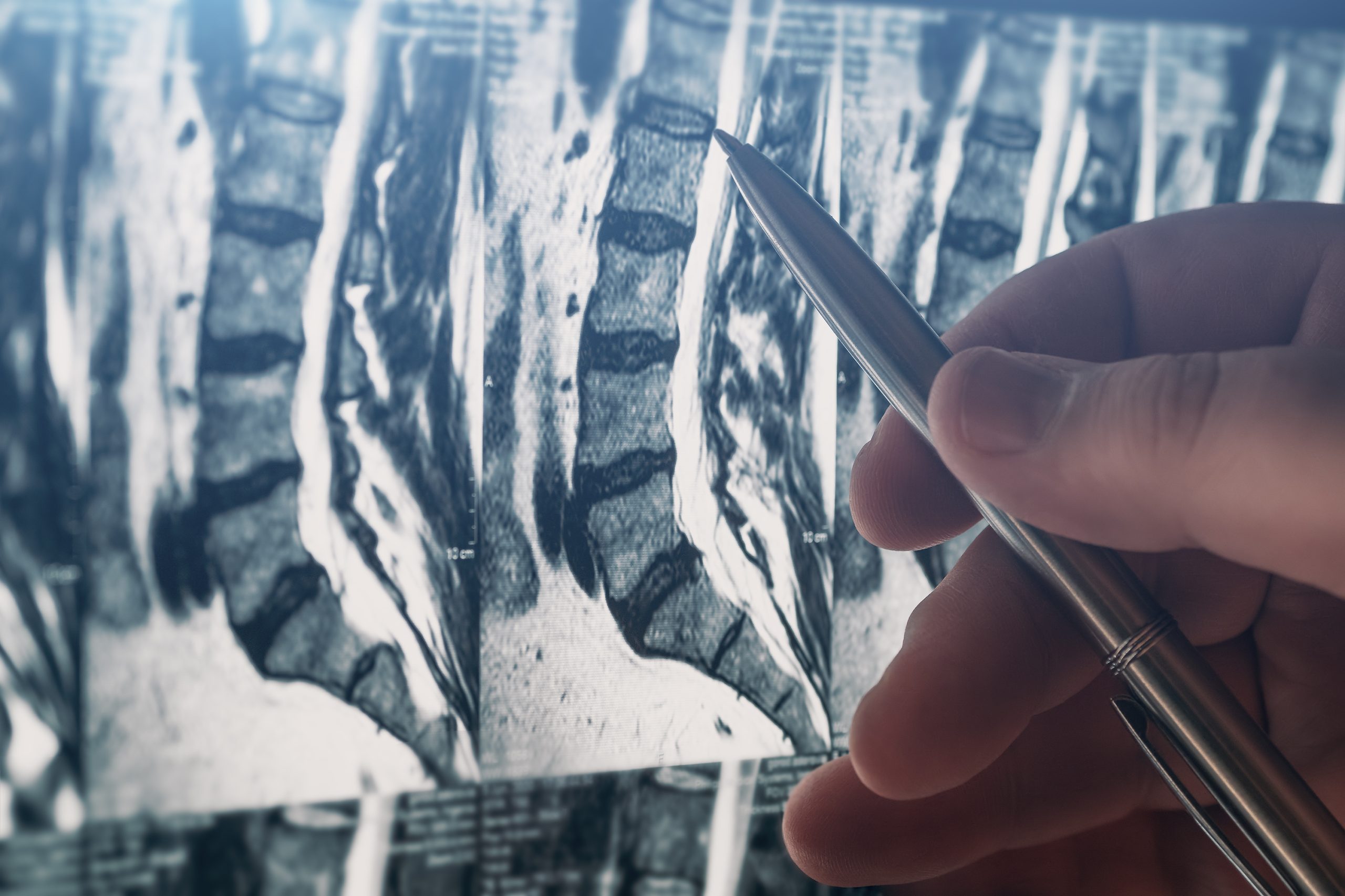
Advantages of Nextgen Spine Care’s Minimally Invasive Spine Surgery
Because the procedure requires only a small incision, and can be done without a hardware, implants, or disc replacements, and causes less trauma to the surrounding muscles and soft tissues than traditional open surgery, it is often associated with less postoperative pain, reduced scarring, a lower risk of infection, and a faster recovery, allowing many patients to return to their normal daily activities sooner.
Conditions That Decompression Surgery is Used for:
- Spinal stenosis.
- Herniated discs.
- Bone spurs pressing on nerve roots.
- Spondylolisthesis causing narrowing of the spinal canal.
- Thickened ligaments compressing the nerves.
Common Symptoms That Can Be Relieved:
- Persistent back or neck pain.
- Radiating leg or arm pain.
- Numbness or tingling in the extremities.
- Muscle weakness.
Difficulty walking or standing due to nerve compression.
Explanation of the Procedure:
During minimally invasive decompression surgery:
- Small incisions are made over the affected area.
- A tubular retractor creates a pathway to the spine while sparing muscle.
- Specialized instruments are used to remove bone (lamina), ligament, or disc material compressing nerves.
- The spinal canal and nerve roots are decompressed.
- The incision is closed with sutures or staples.
- Patients return home the same day.