What Is Adjacent Segment Disease?
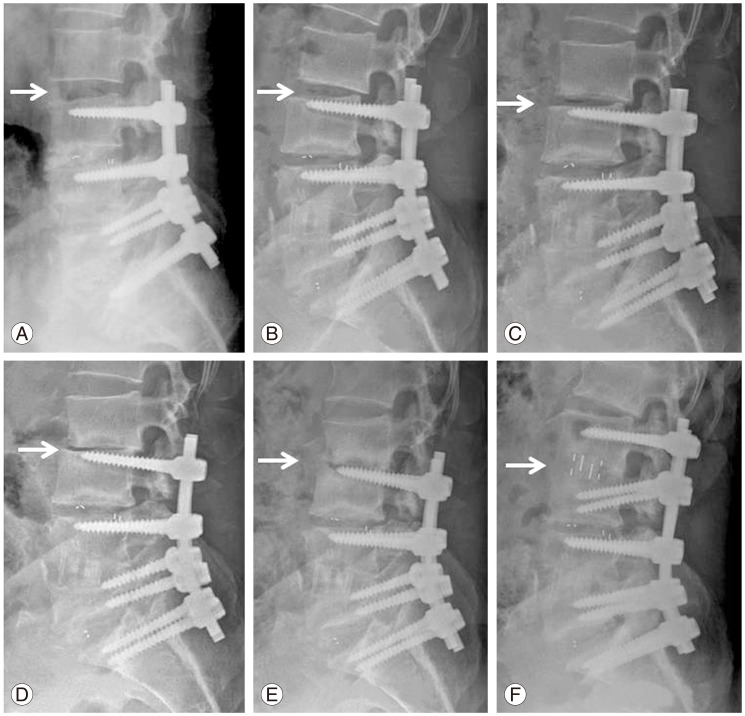
Adjacent Segment Disease (ASD) is a condition that occurs when the spinal segments above or below a previous spinal fusion develop accelerated degeneration. Over time, increased stress on these adjacent levels can lead to pain, instability, and neurological symptoms at the levels above or below the fusion, often resulting in additional fusions at those levels. ASD is a known long-term complication of spinal fusion surgery.
The procedures performed at NextGen Spine Center are designed to avoid fusion, which preserves the natural motion of the spine and reduces the chance of degeneration at the other levels.
Types and Causes
Radiographic ASD: degeneration visible on imaging but no symptoms.
Symptomatic ASD: degeneration associated with pain, nerve compression, or functional limitations.
Common causes and contributing factors include:
- Increased biomechanical stress on adjacent discs and joints after fusion.
- Loss of motion at the fused level, which shifts load to the levels above and below.
- Natural degenerative changes due to aging.
- Improper spinal alignment after surgery narrowing the foramen.
- Pre-existing mild degeneration that progresses over time.
Symptoms
Symptoms of ASD vary with the location and severity of degeneration:
- New or worsening back or neck pain.
- Radiating pain into the arms or legs.
- Numbness or tingling sensations.
- Muscle weakness.
- Reduced range of motion or stiffness.
Diagnosis
Evaluation typically involves:
- Medical history and surgical review.
- Physical examination of strength, sensation, and reflexes.
- X-rays to assess spinal alignment and disc height.
- MRI to visualize disc degeneration and nerve compression.
- CT scans for detailed bony anatomy if needed.
Conservative Treatment
Non-surgical treatment options may include:
- Nonsteroidal anti-inflammatory drugs (NSAIDs) for pain relief.
- Physical therapy to improve core strength and flexibility.
- Activity modification and ergonomic adjustments.
- Epidural steroid injections to reduce inflammation.
- Bracing for short-term symptom relief.
Surgical Treatment
Surgery may be recommended if symptoms persist or worsen despite conservative care. At NextGen Spine Center, the goal is to relieve the nerve compression at the affected level without extending the fusion:
- Minimally invasive decompression procedures to relieve nerve compression at the adjacent level.
- Motion-preserving techniques that avoid adding further fusion and hardware.
- Removal of painful or loosened hardware from the original fusion when appropriate.
Frequently Asked Questions
How common is Adjacent Segment Disease?
Radiographic ASD occurs in up to 40% of patients after fusion, but not all develop symptoms.
Can ASD be prevented?
Surgical techniques that preserve motion and maintain proper alignment can reduce or eliminate the risk.
Is additional surgery always necessary?
Not necessarily. If the levels above and below the fusion have developed symptoms, however, surgery may be needed.
How long after fusion does ASD develop?
It can develop within a couple of years, depending on the level where the fusion was performed and the motion at the levels involved.