Facet Joint Syndrome Surgery
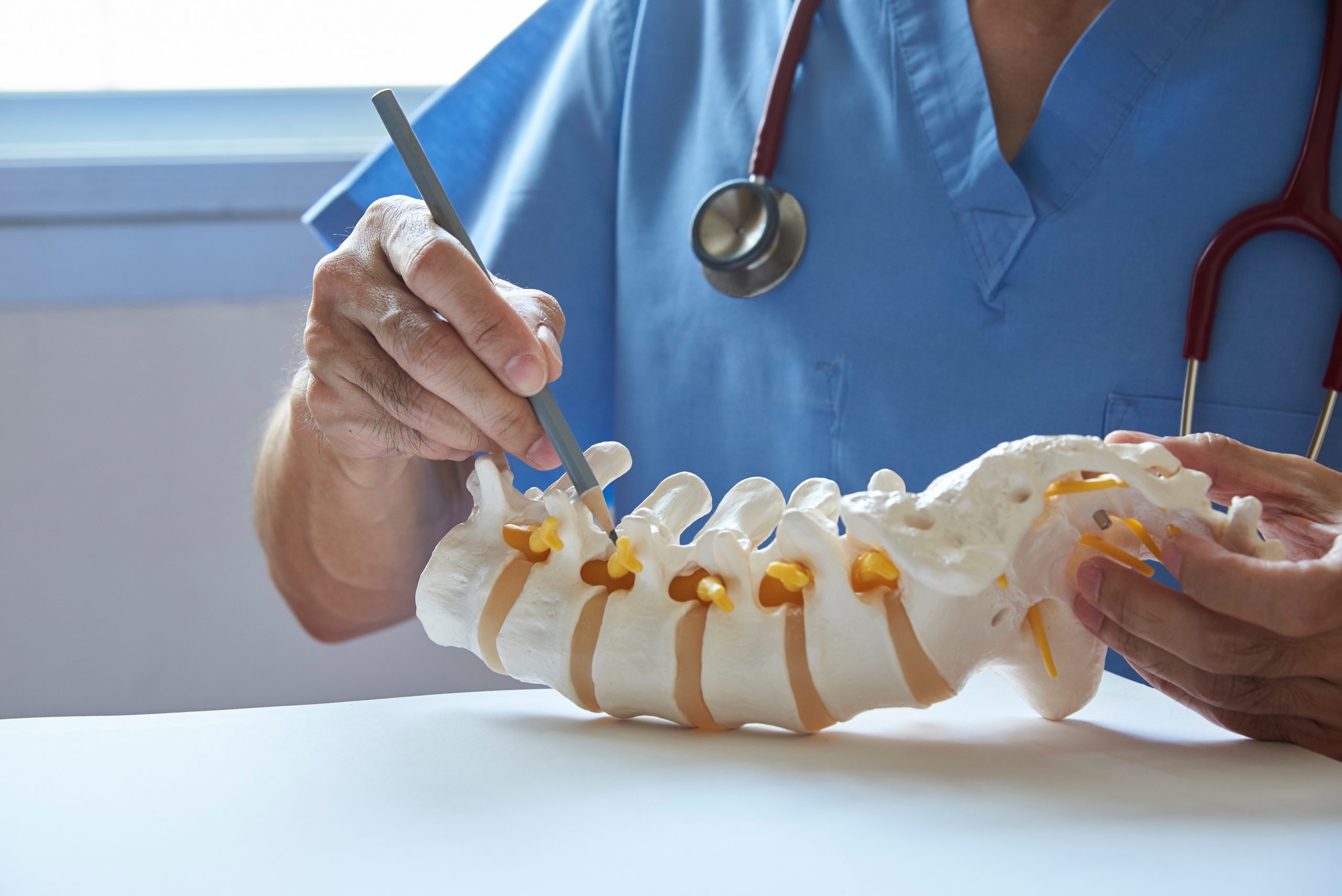
Facet joints are the small joints located between each vertebra in the spine. They provide stability while allowing the spine to bend, twist, and move normally. Over time, these joints can become inflamed or develop arthritis due to aging, injury, or repetitive stress. When this happens, they can become a significant source of chronic neck or back pain—a condition commonly known as facet joint syndrome.
When conservative treatments such as physical therapy, medications, injections, or radiofrequency ablation no longer provide lasting relief, surgery may be recommended for carefully selected patients.
What Is Facet Joint Syndrome Surgery?
Facet joint surgery is designed to address pain that originates from damaged or arthritic facet joints while preserving as much healthy tissue as possible. The goal is to reduce pain, improve mobility, and help patients return to their normal daily activities with less discomfort.
At NextGen Spine Center, our surgeons utilize minimally invasive techniques whenever appropriate. Rather than making a large incision and disrupting surrounding muscles, specialized instruments are used through a small opening to access the affected joint. This approach allows the surgeon to treat the problem while minimizing unnecessary damage to healthy tissue, and without the use of implanted hardware.
Advantages of Minimally Invasive Spine Surgery for Facet Joint Syndrome
Whenever appropriate, our surgeons perform facet joint procedures using minimally invasive techniques designed to reduce disruption to healthy tissue. Through a small skin puncture or tiny incision, the affected area of the spine can be accessed while minimizing trauma to the surrounding muscles and ligaments. Unlike many traditional spine surgeries, our approach is performed without the use of spinal hardware or fusion whenever possible, allowing us to address the source of pain while preserving the spine’s natural anatomy and motion.
Compared to open surgery, this minimally invasive technique is often associated with less postoperative pain and scarring, a lower risk of infection and other complications, and a faster recovery that allows many patients to return to their normal daily activities sooner. In most cases, the procedure is performed on an outpatient basis, allowing patients to return home the same day.
Why We Recommend Regenaplasty
For patients with more advanced or recurrent facet joint syndrome, we often recommend Spinal Regenaplasty rather than facet surgery alone. Standard facet procedures relieve pain by removing or ablating the irritated joint surfaces, but they don’t address the underlying joint degeneration that caused the pain in the first place — which is why symptoms can return as arthritis progresses. Regenaplasty pairs that same minimally invasive correction with regenerative biologics delivered directly to the affected joint and surrounding tissue, targeting the degenerative process itself to support longer-lasting relief and healthier joint function. Learn more about Spinal Regenaplasty.
Conditions That Could Cause These Issues:
- Facet joint osteoarthritis.
- Facet hypertrophy.
- Degenerative disc disease increasing facet load.
- Spinal instability causing facet stress.
- Trauma-related facet injury.
Explanation of the Procedure:
During minimally invasive facet joint surgery:
- A small incision is made over the affected area.
- A tubular retractor gently separates soft tissues.
- Specialized instruments are utilized for the removal or ablation of the inflamed joint surfaces.
- The incision is closed with minimal sutures.
- Patients go home the same day.
Common Symptoms That Can Be Relieved:
- Localized neck or back pain.
- Pain that worsens with extension or twisting.
- Stiffness and reduced mobility.
- Referred pain into the buttocks or thighs.
- Occasional numbness if nerves are irritated.