What is Foraminal Stenosis?
Foraminal stenosis is a narrowing of the openings between the vertebrae (the foramina) through which nerves exit the spinal canal. When a foramen narrows, the nerve passing through it can become compressed, causing pain, weakness or numbness along the path of that nerve. It is closely related to spinal stenosis, but affects the nerve root exit points rather than the central canal.
Types of Foraminal Stenosis
Cervical Foraminal Stenosis: In the neck; may cause arm pain, numbness or weakness.
Thoracic Foraminal Stenosis: In the mid-back; less common, but can cause band-like pain around the chest or ribs.
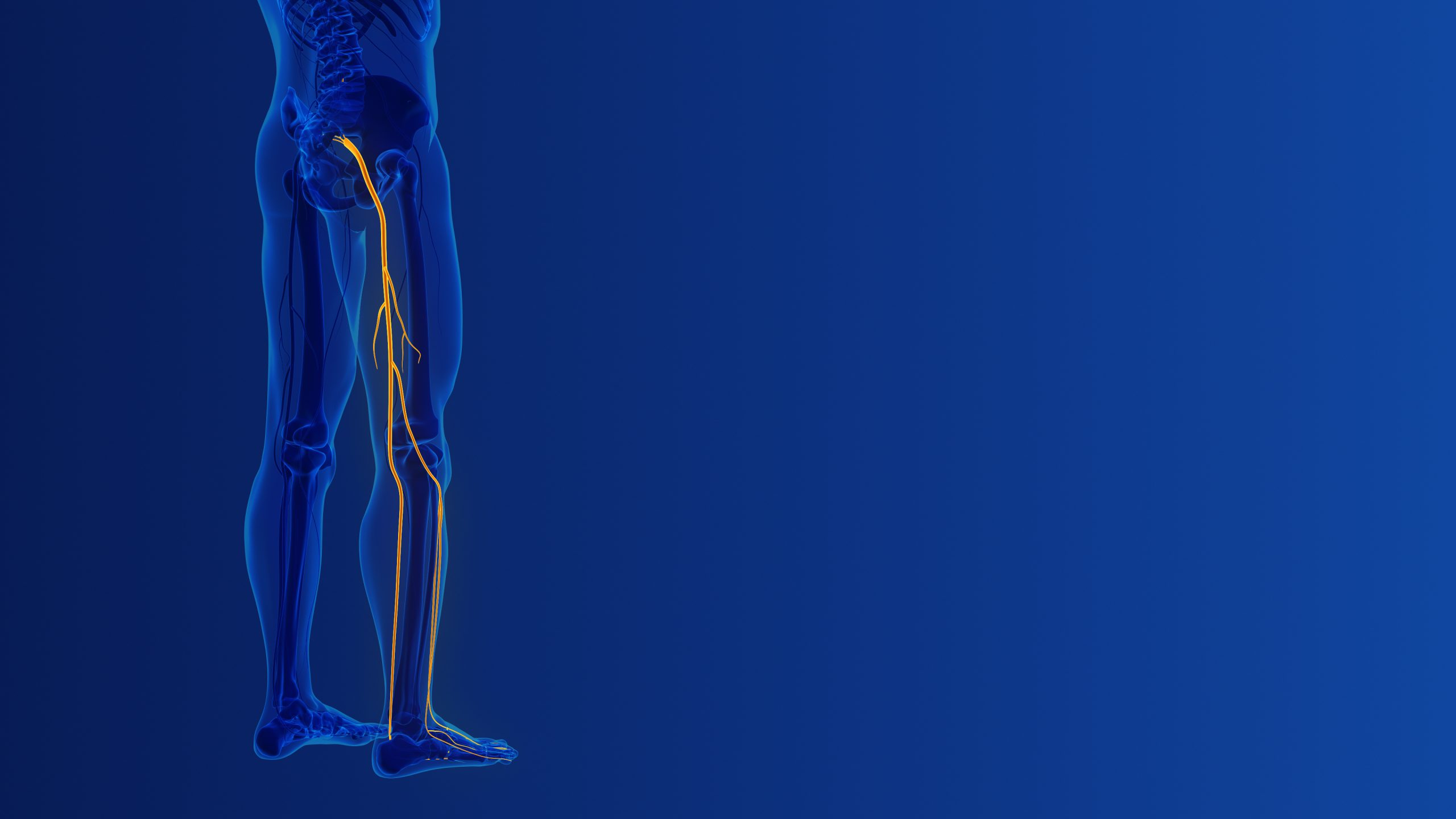
Lumbar Foraminal Stenosis: In the lower back; the most common type, causing leg pain, numbness and weakness (sciatica).
Causes
Common causes include:
– Degenerative changes due to aging
– Herniated discs
– Bone spurs (osteophytes)
– Thickened ligaments
– Spinal arthritis and facet hypertrophy
Symptoms
Symptoms may include:
– Localized or radiating pain
– Numbness or tingling in the arms or legs
– Muscle weakness
– Difficulty walking or maintaining balance
– Pain that worsens with certain activities or positions
Diagnosis
Diagnosis typically involves clinical evaluation, a neurological examination, and imaging studies (MRI or CT scans) to identify the location and severity of the narrowing.
Managing Symptoms
Initial management includes rest, avoiding aggravating activities such as heavy lifting, prolonged sitting or standing, and repetitive bending or twisting, along with physical therapy and over-the-counter pain medication. Seek medical attention promptly if you experience persistent pain, progressive weakness, or any loss of bladder or bowel control.
Prevention
Preventive measures include maintaining good posture, using ergonomic workstations, staying active, strengthening the core and back muscles, avoiding tobacco, maintaining a healthy weight and using proper lifting technique to avoid straining the neck and back.
Conservative Treatment Options
Non-surgical options include:
– Physical therapy for flexibility and strength
– Anti-inflammatory and pain medications
– Epidural steroid injections to reduce inflammation
– Lifestyle and ergonomic modifications
Surgical Treatment Options
Surgery may be necessary if conservative treatments fail or if there is severe nerve compression. At NextGen Spine Center, a minimally invasive foraminotomy enlarges the narrowed opening and frees the compressed nerve through a small incision, removing only the bone, ligament or disc material responsible. The procedure preserves the spine’s natural motion, requires no fusion or implanted hardware, and patients return home the same day.
Frequently Asked Questions
Or contact us at any time
No. Spinal stenosis generally refers to narrowing of the central spinal canal, while foraminal stenosis refers specifically to narrowing at the nerve root exit points (the foramina).
Some mild cases improve with conservative treatment, but many persist and require ongoing management or a procedure to relieve the compression.
Activities that worsen pain, such as heavy lifting, prolonged sitting or standing, and repetitive bending or twisting, should generally be avoided.
No. Many patients improve with conservative treatment, but surgery may be recommended if symptoms persist or worsen despite other treatments.
Our team offers expert diagnosis and comprehensive treatment plans customized to help treat you. These include truly minimally invasive procedures, designed to help our patients return to a pain-free life without fusion or implanted hardware.