Foraminotomy Surgery Overview
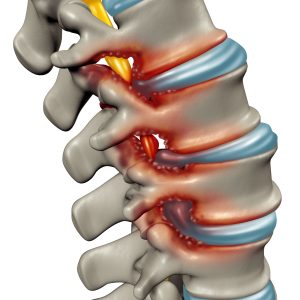
A minimally invasive foraminotomy is a surgical procedure to enlarge the foramina—the openings where nerve roots exit the spinal canal. This approach relieves nerve compression caused by conditions such as bone spurs, herniated discs, foraminal stenosis, spondylosis or spinal arthritis. Compared to traditional open surgery, minimally invasive techniques use small incisions and specialized tools for faster recovery and less tissue disruption.
Advantages of Nextgen Spine Care’s Minimally Invasive Spine Surgery
At NextGen Spine Center, our goal during a minimally invasive foraminotomy is to relieve pressure on the affected nerve while preserving as much of the surrounding healthy tissue as possible. By using small incisions and specialized instruments, we minimize disruption to the muscles and ligaments that support the spine. This tissue-sparing approach typically results in less postoperative pain, smaller scars, and a faster recovery compared to traditional open surgery.
Because the procedure is performed with precision, we can directly target and decompress the compressed nerve root while leaving healthy structures largely untouched. Most procedures are performed on an outpatient basis using conscious IV sedation rather than general anesthesia, allowing many patients to return home the same day. Together, these techniques help reduce the risk of infection and other complications while providing effective relief from nerve compression with the least amount of disruption to the body.
Conditions That Foraminotomy Can Help With
- Foraminal stenosis.
- Herniated discs pressing on nerve roots.
- Degenerative disc disease.
- Bone spurs (osteophytes).
- Thickened ligaments narrowing the foramen.
How a Foraminotomy is Performed at NextGen
- During a minimally invasive foraminotomy:
- A small incision is made over the affected spinal segment.
- A tubular retractor is inserted to gently separate soft tissues.
- Specialized instruments are used to remove bone and soft tissue narrowing the foramen.
- The nerve root is decompressed.
- The incision is closed with a few sutures.
- Patients are able to go home the same day.
Common Symptoms That Can Be Relieved
- Radiating arm or leg pain (radiculopathy).
- Numbness or tingling in hands, arms, feet, or legs.
- Muscle weakness.
- Pain worsened by certain movements or positions.
- Difficulty with walking or balance due to nerve compression.