What are Bulging Disc?
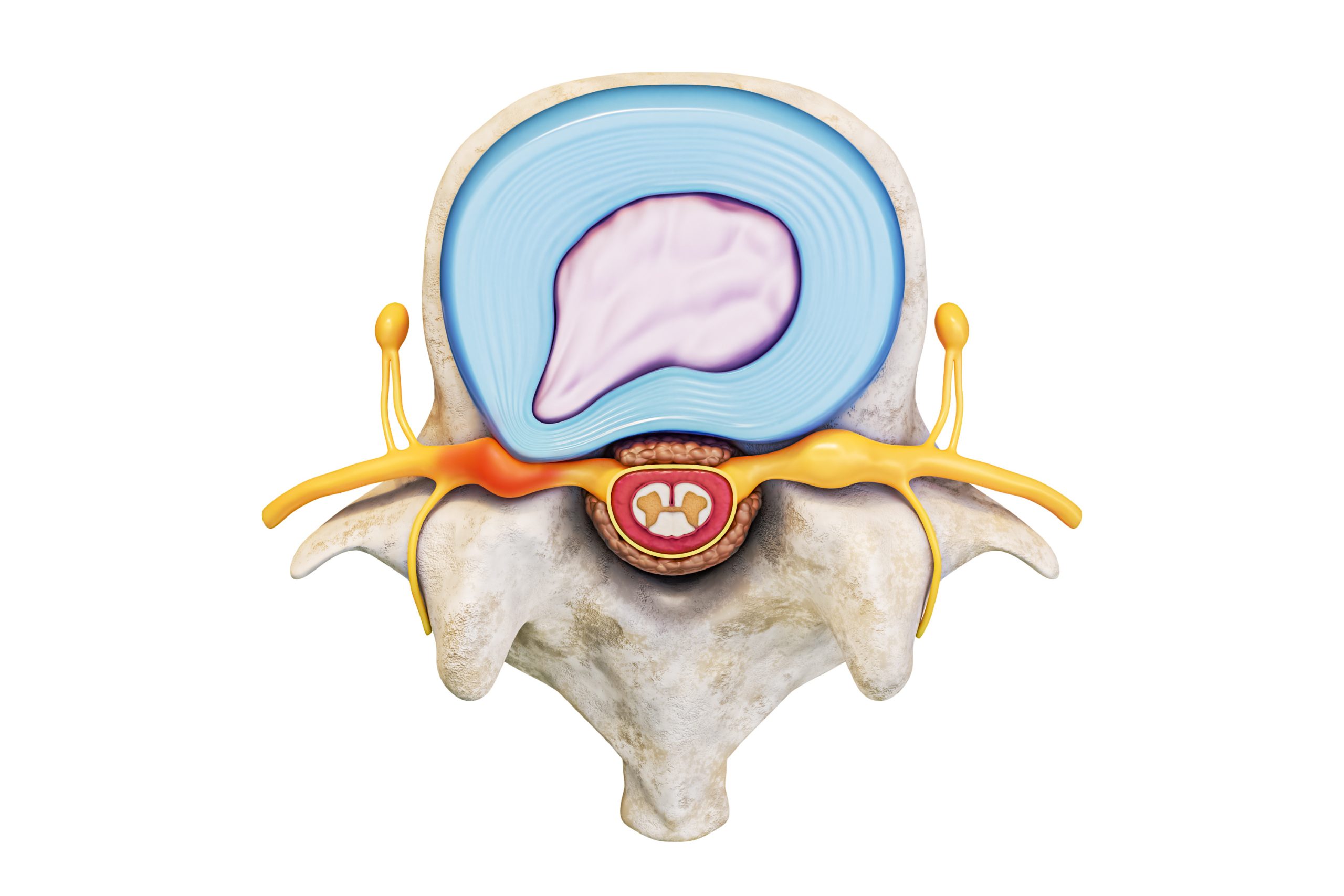
A bulging disc occurs when one of the discs between the vertebrae of the spine extends beyond its normal boundary. Unlike a herniated disc, where the disc’s inner gel leaks out, a bulging disc involves the disc protruding outward but remaining intact. Bulging discs can press on spinal nerves, leading to pain, numbness, or weakness.
Cervical radiculopathy is typically categorized based on the specific nerve root affected (e.g., C5, C6, C7, C8). Each type corresponds to different areas of pain and weakness depending on the nerve’s function.
Types of Bulging Discs
Cervical Bulging Disc: Located in the neck region, can cause neck pain and radiating symptoms into the arms.
Thoracic Bulging Disc: Occurs in the upper and mid-back, less common but may cause pain around the ribs or torso.
Lumbar Bulging Disc: Most common; occurs in the lower back and can compress nerves leading to sciatica symptoms.
Causes
Bulging discs may result from:
– Age-related degeneration of the spinal discs
– Repetitive stress and overuse
– Poor posture over time
– Spinal injuries or trauma
– Lifting heavy objects improperly
– Genetic predisposition to disc issues
Symptoms
Symptoms vary depending on the disc’s location and severity:
– Localized back or neck pain
– Radiating pain into the arms or legs
– Numbness or tingling sensations
– Muscle weakness
– Difficulty with certain movements or positions
Diagnosis
To diagnose a bulging disc, a healthcare provider may use:
– Physical Examination: Evaluating reflexes, muscle strength, and sensation.
– MRI Scan: Provides detailed images of discs and nerves.
– CT Scan: Useful for visualizing bone and soft tissues.
– X-rays: Help rule out other spinal problems.
– Nerve Studies: Determine if nerve compression is present.
Conservative Treatment
Most bulging discs improve without surgery. Treatments may include:
– Nonsteroidal Anti-Inflammatory Drugs (NSAIDs) for pain relief.
– Physical therapy exercises to strengthen and stabilize the spine.
– Epidural steroid injections to reduce inflammation.
– Activity modification and ergonomic adjustments.
– Heat and ice therapy.
Surgical Treatment
Surgery may be considered when symptoms persist or worsen despite conservative care:
– Discectomy: Removal of the protruding disc portion.
– Laminectomy: Removal of part of the vertebra to relieve pressure.
Frequently Asked Questions
Or contact us at any time
No. A bulging disc extends outward but remains intact, while a herniated disc involves the inner material leaking out.
Yes, many improve over time with conservative treatment.
If you experience severe pain, weakness, or loss of bladder/bowel control, consult a spine specialist immediately.
A physical therapist can guide you through core strengthening and stretching exercises appropriate for your condition.