What is Lumbar Radiculopathy?
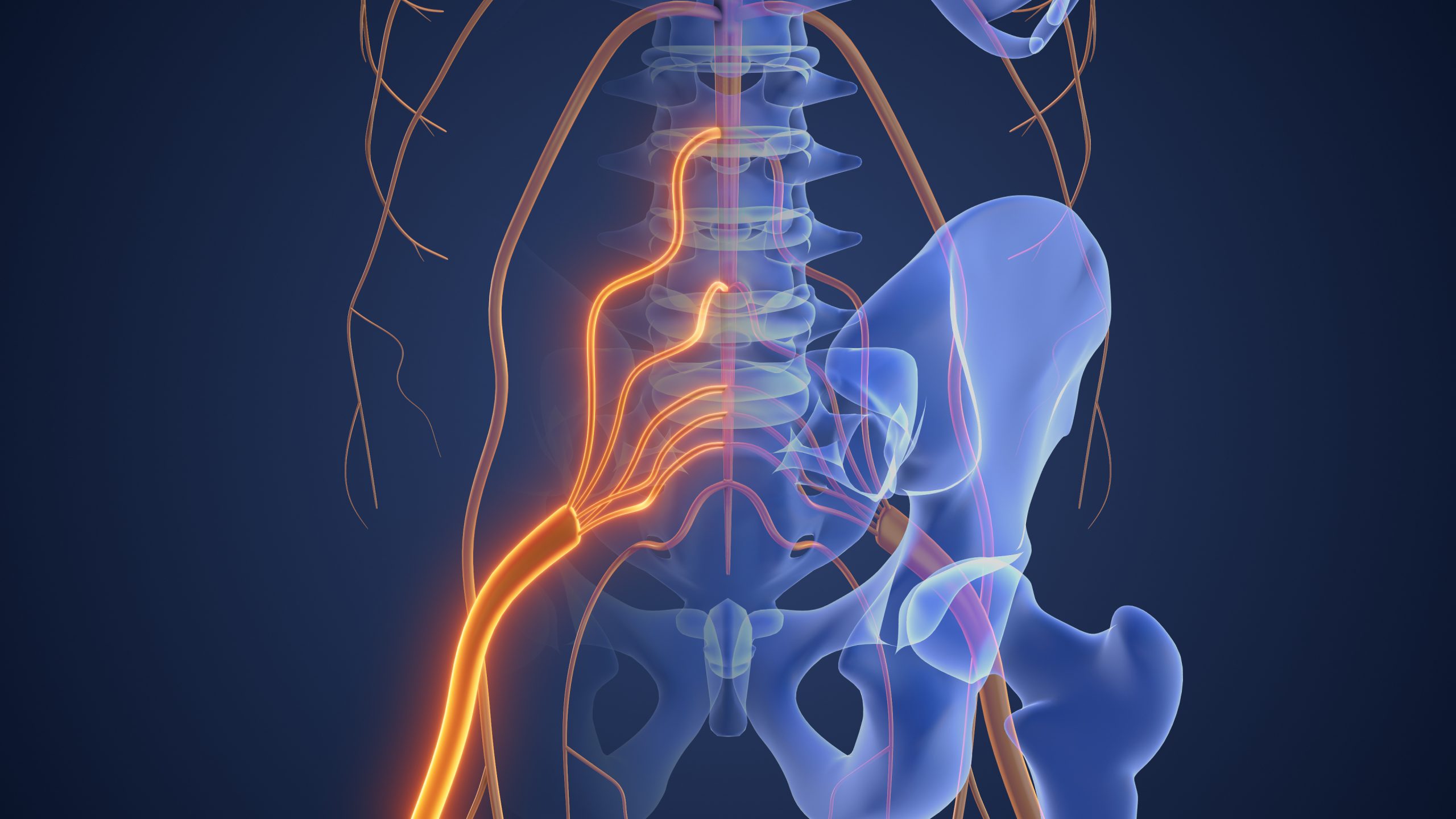
Lumbar radiculopathy, commonly referred to as a pinched nerve in the lower back, occurs when a nerve root in the lumbar spine becomes compressed or irritated. This can lead to pain, weakness, numbness, or difficulty controlling specific muscles. The condition is often caused by herniated discs, bone spurs, or spinal stenosis.
The most common types of lumbar radiculopathy are classified by the affected nerve root, such as L4, L5, or S1 radiculopathy. Each type results in distinct patterns of pain and weakness.
How lumbar radiculopathy differs from other conditions
• Myelopathy: A spinal cord condition causing widespread neurological issues, while radiculopathy is limited to nerve root involvement.
• Spondylolysis: A defect or stress fracture in the vertebral arch, which may lead to radiculopathy but is structurally different.
• Sciatica: A symptom of radiculopathy where pain radiates along the sciatic nerve. Lumbar radiculopathy is a broader diagnosis affecting various nerve roots
Causes
-Herniated Lumbar Disc
– Degenerative Disc Disease
– Spinal Stenosis
– Spondylolisthesis
– Trauma
– Turmors
– Inflammatory conditions.
Symptoms
-Sharp and/or Burning Pain Down The Leg
– Numbness
– Tingling
– Muscle Weakness in the leg and/or Foot
Managing Symptoms
Initial management includes rest, activity modification, heat/cold therapy, and over-the-counter pain medications. Physical therapy can also be effective for individuals suffering from lumbar radiculopathy.
Prevention
To reduce risk, maintain a healthy weight, exercise regularly to strengthen back and core muscles, use proper lifting techniques, and avoid prolonged sitting or standing. Preventing lumbar radiculopathy involves attention to these lifestyle factors.
When to See a Doctor
Seek medical attention if pain is severe, persistent, or accompanied by muscle weakness, loss of bladder/bowel control, or inability to walk. This is particularly important if lumbar radiculopathy is suspected.
Conservative Treatment
Includes physical therapy, nonsteroidal anti-inflammatory drugs (NSAIDs), epidural steroid injections, and lifestyle modifications. Nextgen Spine Center offers tailored non-surgical solutions to manage symptoms and improve mobility.
Surgical Treatment
Surgery may be recommended for persistent or severe cases. Options include microdiscectomy or laminectomy. At Nextgen Spine Center, our skilled surgeons utilize minimally invasive techniques to promote faster recovery and lasting relief.
Frequently Asked Questions
Or contact us at any time
Depending on the severity of the condition, it may go away on it’s own or through conservative treatment, however if the pain isn’t resolved with conservative treatment then surgery may be necessary.
No, it’s considered only after conservative measures fail
Our team offers expert diagnosis and comprehensive treatment plans, including minimally invasive procedures, to help patients return to a pain-free life.